
This page was written in 2015. Divorce laws and prices change, so check current rules with your state court or a lawyer.
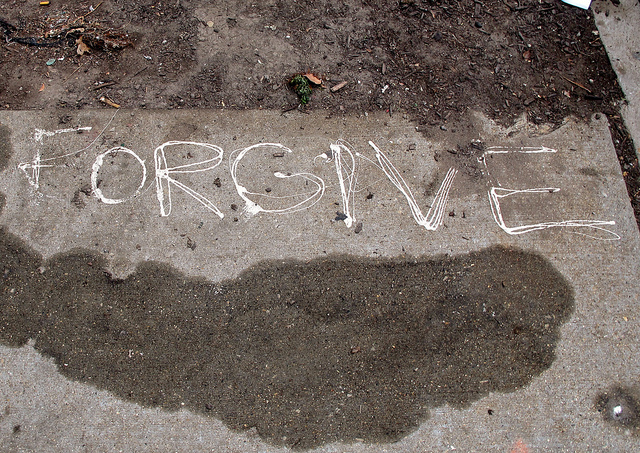
Michele Weiner-Davis, in her much talked-about examination of infidelity for Huffington Post, has one particular piece of advice that really leapt from the screen for me. From the piece:
“When there has been infidelity, people just don’t forget about it. In fact, they don’t ever forget it. What does happen is that memories of the discovery and the pain tend to fade. The thoughts about betrayal become less frequent and less intense over time. In fact, people should NOT forget because we all learn from our experiences, both good and bad. … And although people don’t forget betrayal or affairs, forgiveness is still mandatory — not to let the unfaithful person off the hook, but because holding a grudge shackles people to the past. It is bad for one’s health, both emotionally and physically. There is no intimacy when there are grudges. Life is painful because there is a wall separating people. When betrayed spouses allow themselves to have feelings of forgiveness, life lightens up. It is freeing. Love begins to flow again. Letting go of the past begins to make room for happiness in the present. Forgiveness isn’t meant for the unfaithful, it is a gift betrayed spouses give themselves.”
While much of what Weiner-Davis had to say about infidelity and the betrayed spouse’s role in it has been trashed by commenters as being too forgiving of unfaithful spouses, this particular nugget holds true.
Forgiveness isn’t an act of contrition that you perform to let the other person know they have defeated you. It isn’t something you resign yourself to in order to allow the other person to go on treating you as they please.
It is an act that is selfishly and wonderfully designed for you. It is something you grant yourself so that you can get on with the business of healing and living the life that you deserve instead of the one to which you’ve been chained.
If you’ve been cheated on in a marriage, how long did it take you to forgive? Or have you forgiven? If not, why are you holding on? Sound off in the comments section below.
Keep reading

Refusing Blame for Your Divorce: How It’s Holding You Back, Even If You’re Sure It’s Not Your Fault
One of the biggest mistakes that divorcees make when ending their marriages is this: they refuse to accept any of the blame and believe that it was “all…

4 Reasons Your Friends May Divorce You When the Marriage Is Over
In a November 2014 piece from Psychology Today , the experience of “friend divorce” is dealt with in part. PT notes that friends may end up divorcing you…
What Went Wrong? Divorce Lawyers Share Tips for Saving Your Marriage
Attorneys may not be the first people you turn to for relationship advice, but you shouldn’t be surprised at just how capable they are of dispensing it.…
Comments
No comments yet.